

Chennai Super Kings (CSK) were banned from the IPL for two seasons, 2016 and 2017, after team official Gurunath Meiyappan was found guilty of betting during the 2013 IPL season. The Justice R. M. Lodha Committee ruled that his conduct brought the game into disrepute and imposed a two-year suspension on CSK.
The ban was part of the fallout from the wider 2013 IPL betting and spot-fixing scandal, which involved allegations and investigations concerning players, team officials and others connected to the league. Importantly, CSK were not suspended simply because the broader scandal occurred. The franchise’s punishment was specifically linked to the findings against Meiyappan, who was identified as a team official associated with CSK.
The suspension meant CSK could not participate in the 2016 and 2017 IPL seasons. During those two years, several CSK players represented the newly formed Rising Pune Supergiant, while others moved to different franchises. CSK returned to the IPL in 2018, marking the end of one of the most significant suspensions in the league’s history.
Why Was CSK Banned From the IPL?
Chennai Super Kings (CSK) were suspended from the IPL for two seasons, 2016 and 2017, because team official Gurunath Meiyappan was found guilty of betting during the 2013 IPL season.
However, one point is often misunderstood: CSK itself was not found guilty of spot-fixing or match-fixing. The franchise was punished because the conduct of its official was held to have brought the game into disrepute.
What Happened During the 2013 IPL Scandal?
The controversy began during the 2013 IPL season, when a major investigation uncovered allegations of betting and spot-fixing involving individuals connected with the tournament. The scandal led to investigations by the Delhi Police and Mumbai Police, bringing players, team officials and other individuals under scrutiny.
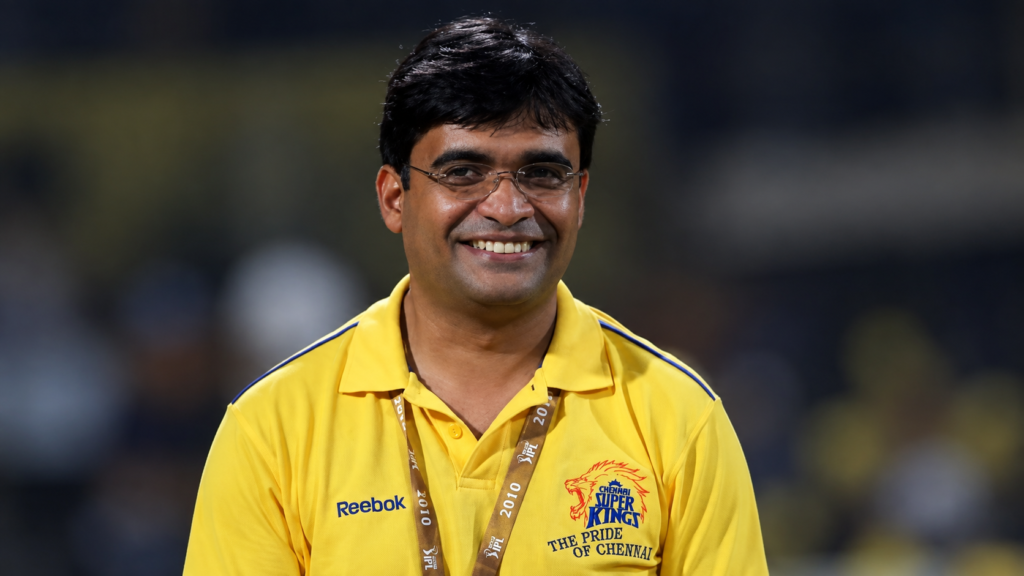
One of the people investigated was Gurunath Meiyappan, who was closely associated with CSK. He was the son-in-law of N. Srinivasan, then the owner of India Cements, the company that owned CSK, and was also serving as BCCI president during the period. Meiyappan had publicly represented himself as a CSK team official and was involved with the franchise during the 2013 season. The incident became widely known as the 2013 IPL Spot-Fixing Scandal.
The investigations examined Meiyappan’s betting activities and his communications with others involved in the betting network. The Supreme Court-appointed Justice R. M. Lodha Committee subsequently examined the evidence and concluded that Meiyappan had been involved in betting on IPL matches.
Importantly, the finding against Meiyappan was betting, not spot-fixing. There was no finding by the Lodha Committee that CSK as a franchise had fixed matches.
Why Was CSK Suspended If It Wasn’t Guilty of Spot-Fixing?
This is where the distinction between an individual’s offence and the franchise’s punishment becomes important.
The Lodha Committee treated Meiyappan as a team official of CSK. His betting activities were therefore considered conduct connected to the franchise, and the committee held that his actions had brought the game of cricket and the IPL into disrepute.
The committee consequently imposed a two-year suspension on CSK, preventing the franchise from participating in the 2016 and 2017 IPL seasons. Rajasthan Royals received the same two-year suspension following findings concerning its team official Raj Kundra.
So, the simplest way to understand the CSK ban is this: Meiyappan was found guilty of betting, and because he was considered a CSK team official, the franchise was held responsible for the reputational damage caused by his conduct. CSK was not banned because the team itself was found to have fixed matches.
The suspension ended after the 2017 season, allowing CSK to return to the IPL in 2018.
How Long Was CSK Banned?
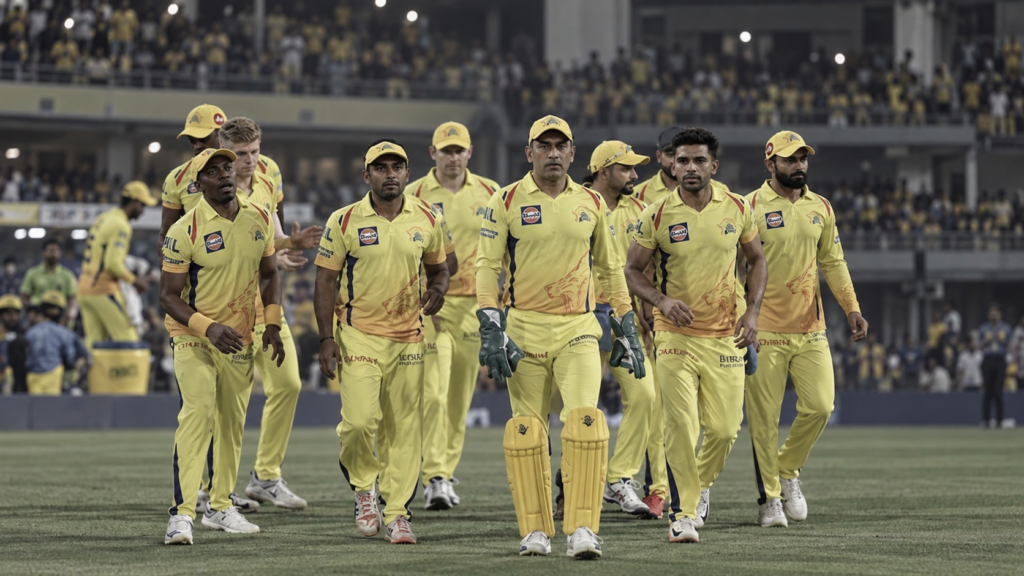
Chennai Super Kings (CSK) were banned from the IPL for two seasons: 2016 and 2017. The suspension was imposed in 2015, meaning CSK missed the next two editions of the tournament before returning for the 2018 IPL season.
CSK’s IPL Absence in 2016 and 2017
The suspension took effect from the 2016 season. As a result, CSK did not participate in the ninth edition of the IPL, which began in April 2016. It was the first time the franchise had been absent from an IPL season since the league was established in 2008.
CSK remained out of the competition in 2017, completing its second and final season of suspension. To fill the gap created by CSK and Rajasthan Royals, two new franchises, Rising Pune Supergiant and Gujarat Lions, competed in the 2016 and 2017 editions.
CSK’s players were also temporarily separated during this period. A player draft was held ahead of the 2016 season, allowing the two replacement franchises to build their squads using players from the suspended teams.
The two-year absence therefore meant CSK did not play a single IPL match during either the 2016 or 2017 season.
CSK’s Return in 2018
CSK became eligible to return once its suspension had been completed. The franchise made its comeback in the 2018 IPL, alongside Rajasthan Royals, which had served the same two-season suspension.
The return was more than a routine reinstatement. CSK immediately returned to competitive action with much of its familiar core and went on to win the 2018 IPL title, defeating Sunrisers Hyderabad in the final.
In simple terms, the timeline is:
- 2015: Two-year suspension announced.
- 2016: CSK missed the IPL.
- 2017: CSK missed the IPL again.
- 2018: CSK returned to the IPL.
So, if the question is “How many years was CSK banned?”, the answer is two years. The franchise served the suspension across the 2016 and 2017 IPL seasons and returned to the competition in 2018.
What Happened to CSK During the 2016 and 2017 Ban?
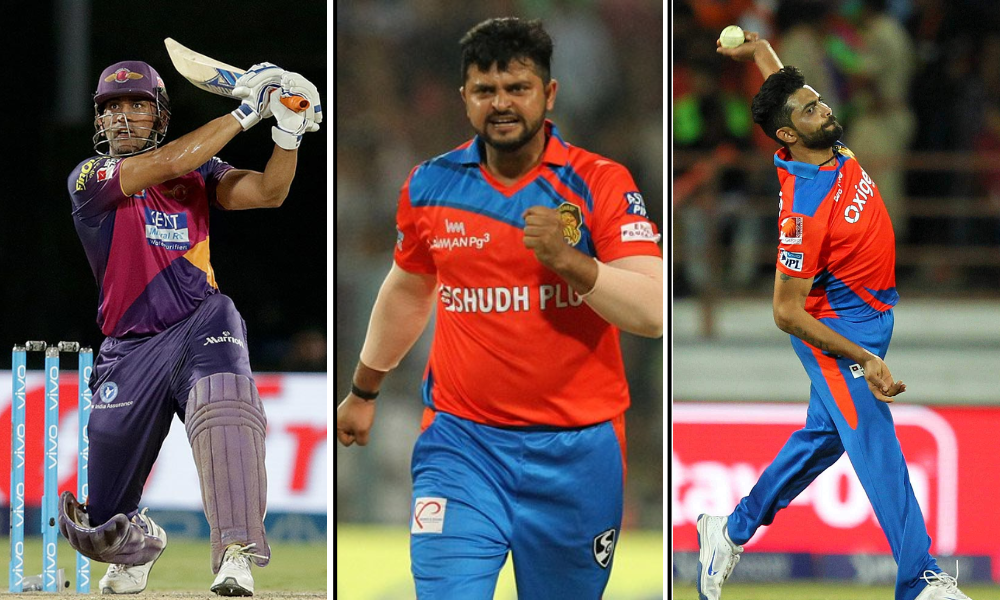
For two IPL seasons, Chennai Super Kings did not participate in the tournament. The franchise served its suspension throughout 2016 and 2017, leaving one of the IPL’s most established teams on the sidelines. For fans, CSK During the Ban meant watching the franchise’s players take the field in different colours while waiting for the yellow jersey to return.
The ban applied to the franchise, not its entire playing squad. CSK’s players were not individually banned because they were not found to have been involved in the conduct that led to the franchise’s suspension. Instead, the players became available to represent other IPL teams during the two-season period.
Where Did MS Dhoni Play?
The biggest change for CSK fans was seeing MS Dhoni in another team’s jersey.
Dhoni, who had captained CSK since the inaugural IPL season, joined Rising Pune Supergiant (RPSG), one of the two franchises introduced during CSK and Rajasthan Royals’ absence. He captained RPSG in the 2016 season, leading the side during its first IPL campaign.
In 2017, Dhoni remained with RPSG but no longer served as captain, with Steve Smith taking over the leadership role. Dhoni continued to play as a wicketkeeper-batter before CSK’s eventual return in 2018.
How Did the IPL Look Without CSK?
The IPL itself continued without Chennai Super Kings.
For CSK supporters, however, the two seasons felt very different. The franchise had built an enormous following over its first eight years in the competition, and its absence left fans waiting for the day they could see the famous yellow jersey back on the field.
The anticipation extended well beyond Chennai. CSK’s return had become one of the most eagerly awaited storylines in Indian cricket, with supporters across the country looking forward to seeing the franchise and Dhoni reunite in the IPL.
After two seasons away, that wait finally ended in 2018, when CSK returned to the tournament.
How Did CSK Return to the IPL in 2018?
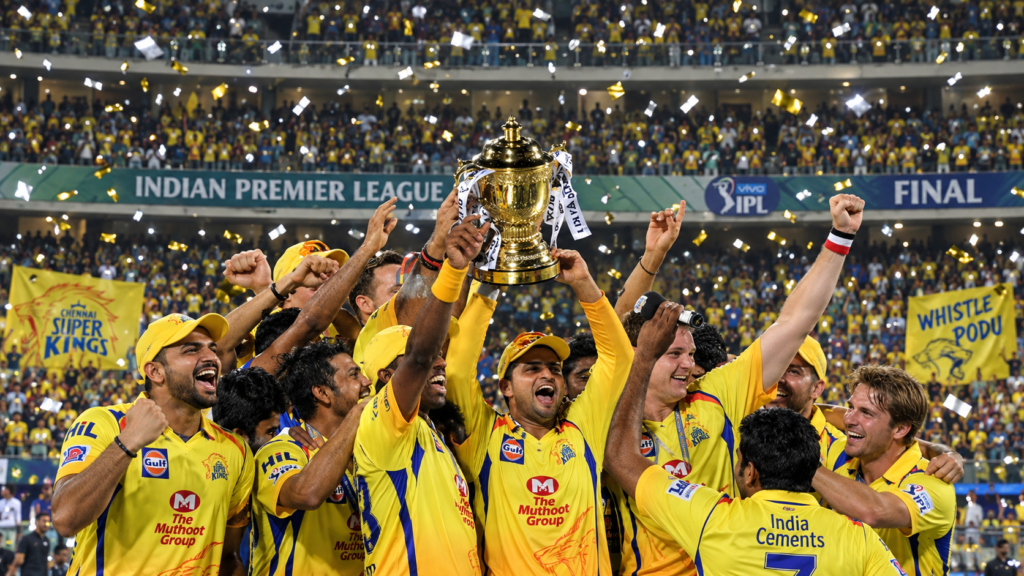
The wait was finally over. CSK’s two-season IPL suspension officially ended on 14 July 2017, clearing the way for the franchise to return for the 2018 season. After two years without the yellow jersey, Chennai Super Kings were back—and they returned with a squad that felt instantly familiar to their fans.
Rebuilding the Chennai Family
Ahead of the 2018 mega auction, CSK retained three of its biggest pillars: MS Dhoni, Suresh Raina and Ravindra Jadeja. At the auction, the franchise used its Right to Match cards to bring back Dwayne Bravo and Faf du Plessis, taking the number of retained core players to five.
And suddenly, it felt like Chennai was home again.
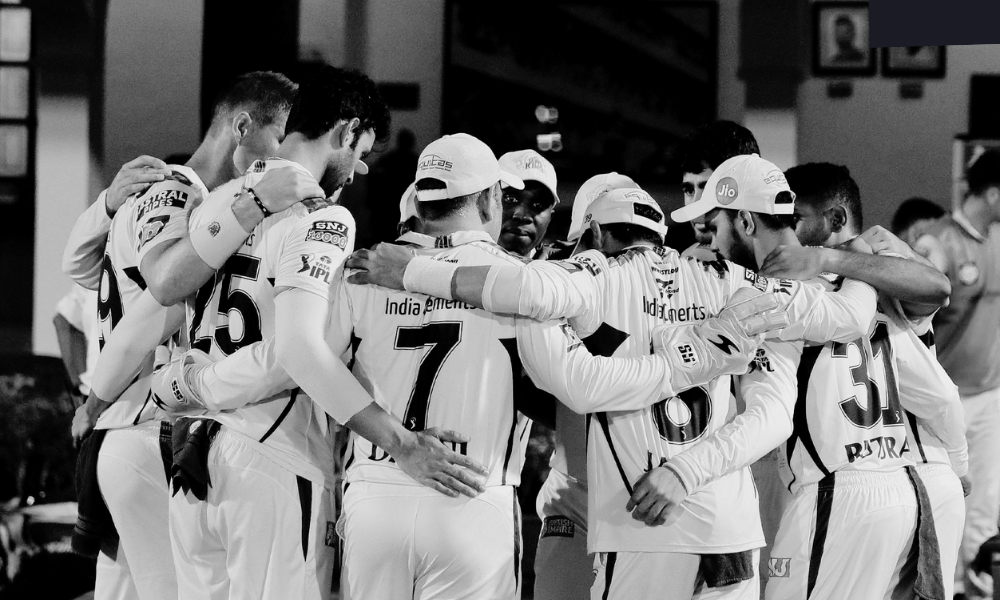
Raina was back at number three, Jadeja was donning the yellow and bowling tight spells through the middle overs, while DJ Bravo was outfoxing batters with his variations. Dhoni was back behind the stumps and, more importantly, back at the helm. Familiar faces returned while new players joined the Chennai family, creating that unmistakable feeling CSK had never really left.
The season itself carried a festive energy. Every game felt like a reunion. The yellow jerseys were back, the supporters were roaring again, and the franchise was creating memories almost immediately. There were iconic moments aplenty, with Dhoni looking close to his best and the experienced core delivering when it mattered.
The 2018 Championship Run
CSK finished the league stage second and defeated Sunrisers Hyderabad in Qualifier 1, with Faf du Plessis’ unbeaten 67 guiding them into the final. SRH returned through Qualifier 2, setting up another clash with Chennai.
In the final, Shane Watson’s magnificent unbeaten 117 powered CSK to an eight-wicket victory and their third IPL title. The triumph was especially significant after Mumbai Indians had matched CSK’s three titles a year earlier.
After two seasons away, Chennai returned to the IPL not just as contenders, but as champions, making the CSK 2018 comeback truly unforgettable for CSK fans.
How Did the Two-Year Ban Affect CSK’s Legacy?
Even with five IPL titles today, the two-year suspension remains an inescapable black mark in Chennai Super Kings’ history. It damaged the franchise’s reputation, interrupted its momentum and cost CSK two full seasons in which it could have competed for another championship.
Two Years That Changed the Story
For CSK fans, the absence was about more than missing cricket. The franchise had been one of the defining teams of the IPL, and suddenly, it was gone. Supporters carried the disappointment through two seasons while the tournament moved on without the yellow jersey.
There was another painful reminder of what CSK had missed: Mumbai Indians won the 2017 IPL title while Chennai was serving its suspension. MI’s victory gave its biggest rival another championship during a period when CSK could not even compete for one.
The suspension therefore left a genuine gap in CSK’s sporting legacy. Those two seasons cannot simply be removed from the record, and neither can the reputational damage that accompanied them.
2018: Success Delayed, Not Denied
Then came the return.
CSK’s first match back in 2018 was against Mumbai Indians, and it produced an instant IPL classic. Chasing 166, Chennai were in serious trouble at 118/8 before Dwayne Bravo’s extraordinary 68 off 30 balls turned the match around. Kedar Jadhav then finished the job with a dramatic cameo.
It was the perfect opening chapter to the comeback. Bravo, one of the players CSK had brought back at the auction, showed exactly why he belonged in that yellow jersey.
From there, 2018 became one memorable match after another, culminating in Shane Watson’s unbeaten 117 in the final and CSK’s third IPL title.
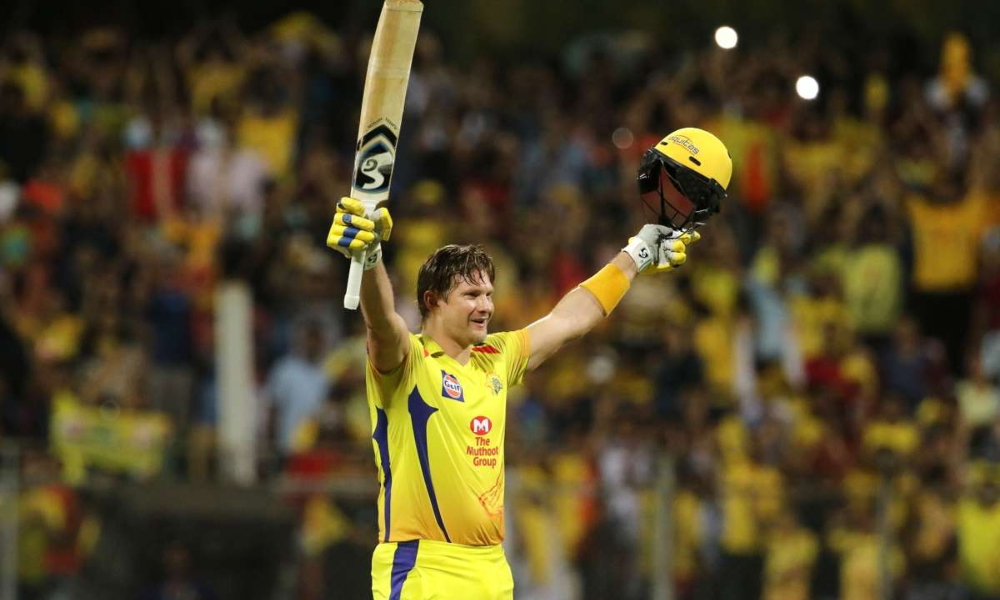
That victory changed the sporting narrative. The suspension had delayed CSK’s pursuit of success, but it had not denied the franchise its chance to return to the top. The triumph was sweeter precisely because of everything that had come before it.
The ban will always remain part of CSK’s history. Five titles cannot erase that chapter—but the 2018 comeback ensured that the chapter did not define the story.
FAQs
- Was CSK banned for match-fixing?
No. CSK was not found guilty of match-fixing; its two-year suspension followed findings against team official Gurunath Meiyappan.
- Was CSK banned for spot-fixing?
No. CSK was not found guilty of spot-fixing; Meiyappan was found guilty of betting on IPL matches.
- Why was CSK banned for two years?
CSK was suspended because the Justice R. M. Lodha Committee held that Meiyappan’s conduct as a team official brought the IPL and the game into disrepute.
- Which years was CSK banned?
CSK missed the 2016 and 2017 IPL seasons after receiving its two-year suspension in 2015.
- Who was involved in the CSK betting case?
Gurunath Meiyappan, a CSK team official, was the key figure in the franchise’s betting case and was found guilty of betting during the 2013 IPL.
- When did CSK return to IPL?
CSK returned to the IPL in 2018, immediately reaching the final and defeating Sunrisers Hyderabad to win its third IPL title.