

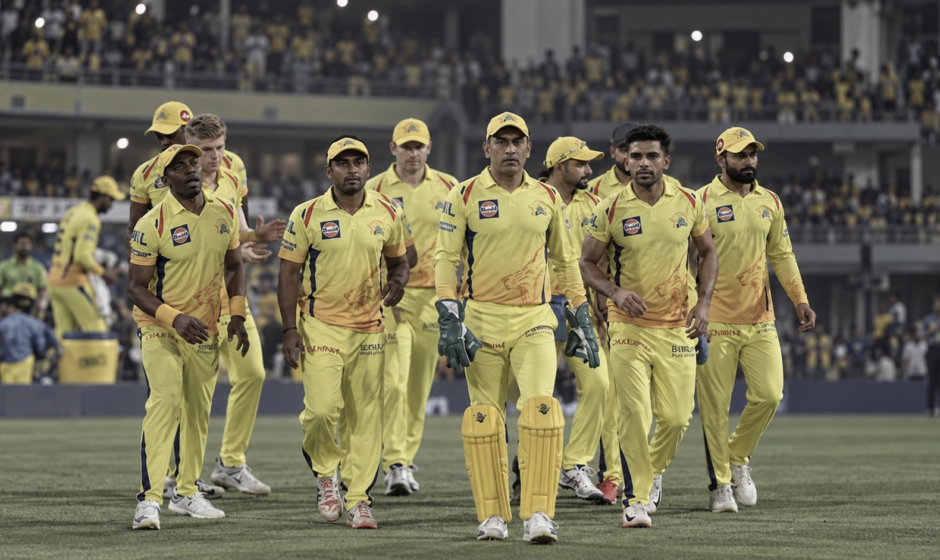

The 2013 IPL controversy is often linked to Chennai Super Kings because of the punishment that followed, but CSK was not found guilty of spot-fixing. The franchise’s suspension was instead connected to the betting activities of Gurunath Meiyappan, who was found to be a CSK team official.
This distinction is important because the term CSK spot fixing case is commonly used to describe the wider controversy, even though the established finding against Meiyappan concerned betting. Understanding this difference explains how the 2013 scandal ultimately led to CSK’s two-season suspension.
What Happened in the 2013 IPL Spot-Fixing Scandal?
The 2013 IPL Spot-Fixing Scandal shook the tournament after allegations of betting and spot-fixing emerged during the season. Investigations by the Delhi and Mumbai Police brought several players and team officials under scrutiny, placing the IPL under significant public and regulatory pressure.
For CSK, the controversy centred on Gurunath Meiyappan, who was associated with the franchise as a team official. His activities during the tournament came under investigation, including allegations concerning betting on IPL matches. In October 2013, the Supreme Court constituted the Mudgal Committee to investigate allegations of betting and spot-fixing in the IPL, including matters concerning individuals connected with the controversy.
What Was Gurunath Meiyappan’s Role?
Gurunath Meiyappan was closely associated with Chennai Super Kings and was treated as a team official under IPL rules. The Supreme Court record noted that he formed an integral part of CSK and had access to sensitive team information.
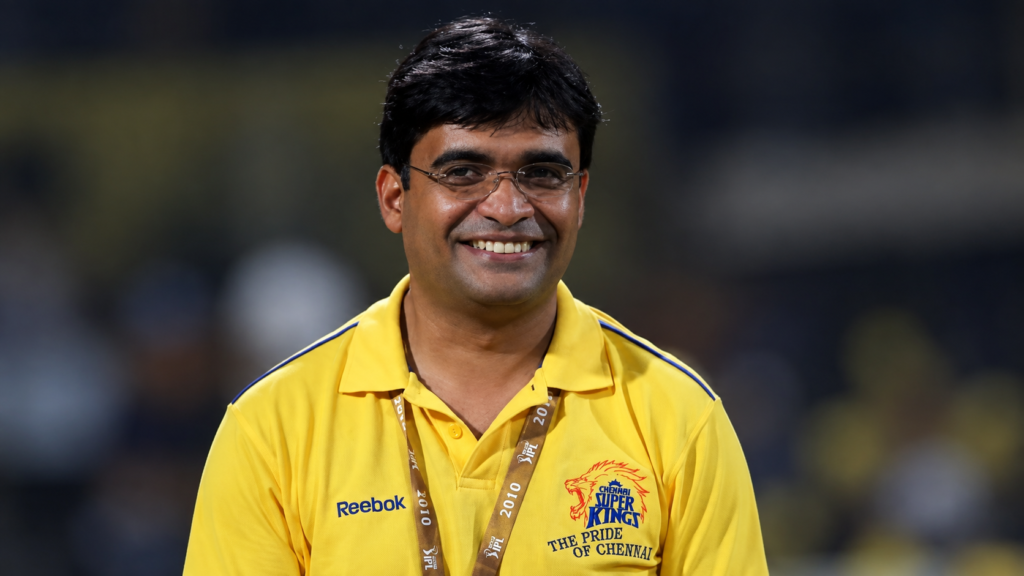
The Mudgal Committee found allegations concerning Meiyappan’s betting activities and passing on information to be proved. Investigations established that he was in contact with bookmakers and placed bets on IPL matches, including matches involving CSK.
Importantly, the established allegations concerned betting and passing on information, not a finding that Meiyappan had fixed matches. The spot-fixing allegation was treated separately and required further investigation.
What Did the Mudgal Committee Find?
The Mudgal Committee established key findings concerning Gurunath Meiyappan, including his role and association with Chennai Super Kings and his involvement in betting on IPL matches. The committee also found that Meiyappan had passed on information. However, the allegation of match-fixing was treated separately.
The Supreme Court’s May 2014 order recorded that the fixing allegation required further investigation rather than being established by the committee’s findings. These distinctions clarified the specific findings against Meiyappan.
Why Was CSK Suspended?
Gurunath Meiyappan’s position within Chennai Super Kings was central to the disciplinary consequences. Because he was treated as a CSK team official, the findings concerning his conduct had implications for the franchise itself.
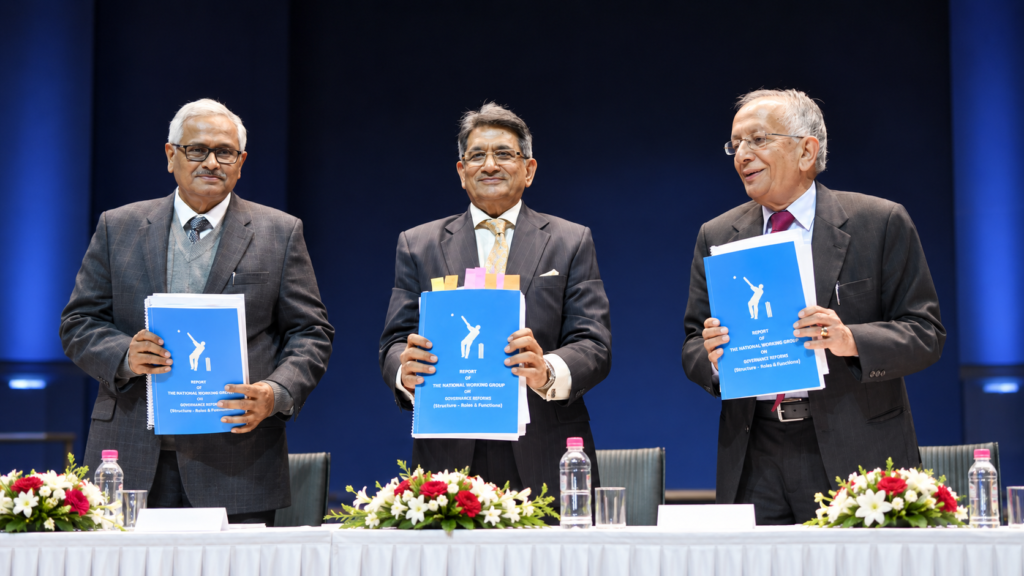
The Justice R. M. Lodha Committee subsequently determined the appropriate disciplinary action and, in July 2015, imposed a two-season suspension on CSK. The punishment kept the franchise out of the 2016 and 2017 IPL seasons.
The suspension followed the findings concerning Meiyappan’s conduct and did not amount to a finding that CSK had fixed matches. For the complete case and the reasons behind the two-year punishment, read our Why Was CSK Banned for 2 Years? guide.
Was CSK Found Guilty of Spot-Fixing?
No. CSK was not found guilty of spot-fixing or match-fixing. The CSK spot fixing case is often used broadly to describe the 2013 controversy, but the established finding concerning Gurunath Meiyappan was that he had engaged in betting on IPL matches.
The Justice Mudgal Committee had stated that the spot-fixing allegations against Meiyappan required further investigation, while the subsequent disciplinary process focused on his betting-related conduct.